Call us now :08037736502
 Send Inquiry
 Send Inquiry
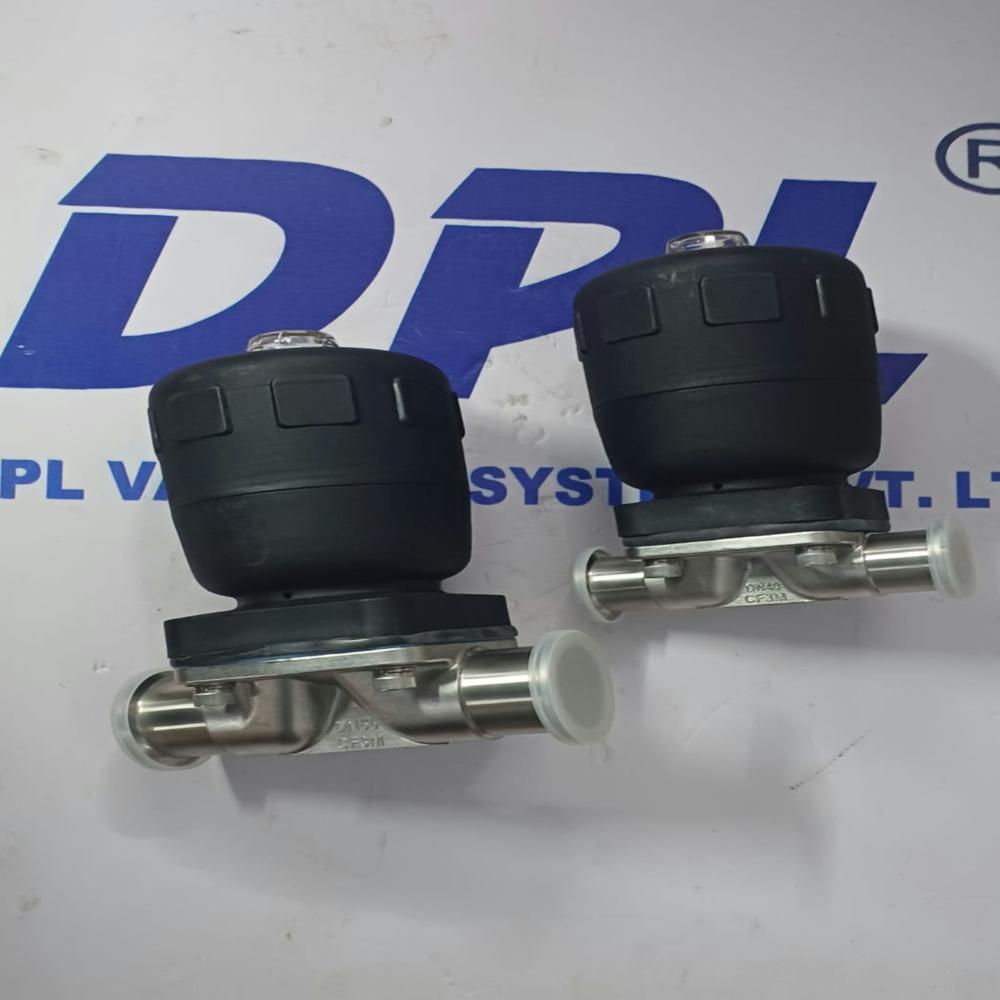
Pneumatic Diaphragm Valve
Price 3000.0 INR/ Piece
MOQ : 1 Piece
Pneumatic Diaphragm Valve Specification
- Connection Type
- Flanged, threaded, tri-clamp
- Valve Size
- 1/2 to 8 (DN15 to DN200)
- Control System
- Pneumatically actuated, solenoid pilot available
- Material
- Body: Cast Iron, Stainless Steel, PVC, PP; Diaphragm: EPDM, PTFE
- Valve Type
- Pneumatic Diaphragm Valve
- Features
- Corrosion resistance, tight shutoff, maintenance free diaphragm, flow regulation
- Structure
- Diaphragm type
- Voltage
- 24V, 110V, 220V (solenoid actuator, if equipped)
- Sealing
- EPDM, PTFE, NBR
- Application
- Industrial fluid control, chemical processing, water treatment, pharmaceuticals, food & beverage industries
- Type
- Normally closed
- Power
- Pneumatic (air driven)
- Pressure
- 0.3 to 10 bar
- Media
- Liquids, gases, slurries
- Port Size
- DN15 to DN200 (1/2 to 8)
- Temperature
- Up to 120C
- Disc
- EPDM, PTFE coated
- Pin
- 2-way
- Protection Class
- IP65/IP67
- Maintenance
- Top-entry design for easy servicing
- Fluid Compatibility
- Suitable with aggressive and corrosive fluids
- Mounting Position
- Horizontal or vertical
- Visual Indicator
- Position indicator included
- Operation Mode
- Remote or manual override optional
- Noise Level
- Low noise operation
- Compliance
- Conforms to CE & RoHS directives
- Actuator Type
- Double acting or spring return pneumatic actuator
- Body Coating
- Epoxy coated (on cast iron models)
- End Connections
- EN, ANSI, JIS standards available
- Body Standards
- DIN, ASTM compliant
- Pressure Rating
- PN10, PN16
Pneumatic Diaphragm Valve Trade Information
- Minimum Order Quantity
- 1 Piece
- Supply Ability
- 1000 Pieces Per Month
- Delivery Time
- 7 Days
About Pneumatic Diaphragm Valve
Pneumatic Actuated Sanitary Diaphragm valve are primarily used in sterile applications in the pharmaceutical, food & biotechnology industries. Sizes Offered are 1/2" to 4" with Triclamp/Flanged/SMS union connections.DPL Offers Sanitary as well Industrial Pneumatically Actuated Diaphragm Valves , made of S.S. 316 L for Pharmaceutical , food & biotechnology industries. DPl also offer Cast Iron Diaphragm Valves with Pneumatic Actuator commonly used in water treatment, irrigation, and general industrial applications where the fluid is not highly corrosive.
Versatile Performance for Industrial Applications
Designed to handle aggressive and corrosive fluids, our pneumatic diaphragm valve excels in demanding environments such as chemical processing plants, water treatment facilities, and pharmaceutical production lines. Its durability and adaptability make it the preferred choice for industries requiring stringent fluid control and hygiene standards.
Reliability Meets Flexibility
Whether mounted horizontally or vertically, each valve is engineered for optimal performance. The actuator, available in double acting or spring return types, can be equipped with a solenoid pilot for remote control, while a manual override provides extra operational security. Compatible with flanged, threaded, or tri-clamp connections in EN, ANSI, and JIS standards, it effortlessly integrates into existing setups.
Easy Maintenance and Safe Operation
Maintenance is streamlined through a top-entry design that allows easy servicing without pipeline dismantling. The included visual position indicator and low-noise, IP65/IP67 rated enclosure ensure safe and quiet operation in all industrial environments. Conformance to international standards guarantees safety, efficiency, and peace of mind.
FAQ's of Pneumatic Diaphragm Valve:
Q: How do I install the pneumatic diaphragm valve and can it be mounted both horizontally and vertically?
A: The pneumatic diaphragm valve supports both horizontal and vertical mounting positions, ensuring flexible integration into most piping systems. Installation should adhere to the relevant connection standard (flanged, threaded, or tri-clamp per EN, ANSI, or JIS) and include proper alignment of the actuator for optimal performance.Q: What types of fluids are compatible with this valve and where is it typically used?
A: This valve is compatible with a range of aggressive and corrosive fluids including liquids, gases, and slurries. It is widely used in chemical processing, water treatment, pharmaceuticals, and food & beverage industries requiring robust and hygienic fluid control solutions.Q: What is the process for maintaining this valve and does it require system downtime?
A: Maintenance is simplified with the top-entry design, allowing easy servicing or diaphragm replacement without removing the valve from the pipeline. This minimizes system downtime and ensures efficient upkeep, making it well-suited to continuous process environments.Q: What are the benefits of the epoxy coated body and the available sealing materials?
A: The epoxy coating on cast iron models enhances resistance to corrosion and harsh chemicals, extending service life. Available EPDM, PTFE, and NBR sealing materials offer excellent resistance to various chemicals and high temperatures, ensuring tight shutoff and leak-free operation across numerous applications.Q: When should I use a double acting actuator versus a spring return actuator?
A: A double acting actuator is ideal for applications requiring bi-directional control and maximum force, while a spring return actuator is best for fail-safe operation (normally closed) where automatic return to a safe position in case of air supply loss is necessary.Q: What are the noise levels and protection ratings for this valve during use?
A: The valve provides low noise operation, making it suitable for noise-sensitive environments. It is available in IP65 and IP67 enclosure ratings, ensuring robust protection against dust and water ingress for reliable performance in challenging industrial conditions.Q: How can the valve be operated and what control options are available?
A: The valve can be operated remotely via pneumatic or solenoid pilot actuation. Manual override is also available for direct control during maintenance or in emergencies, offering both automated and manual flexibility to the user.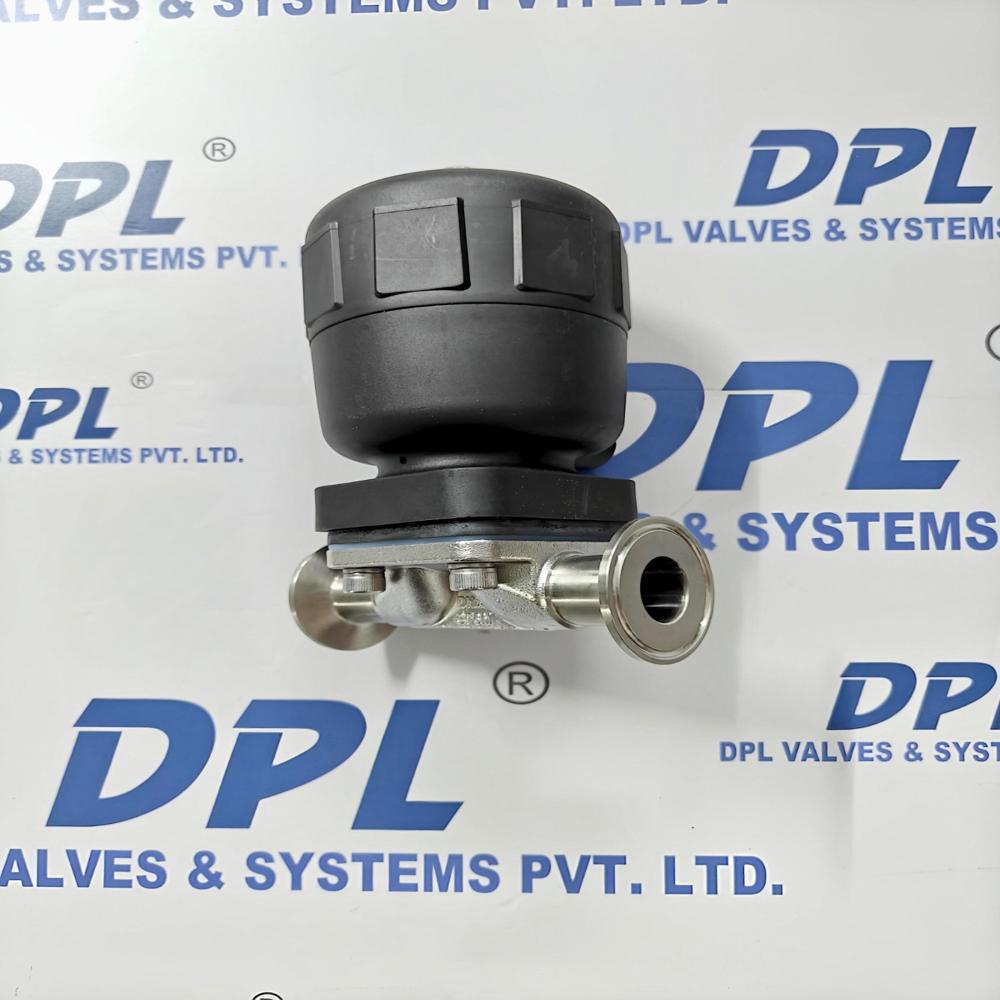
Tell us about your requirement

Price:
Quantity
Select Unit
- 50
- 100
- 200
- 250
- 500
- 1000+
Additional detail
Mobile number
Email


 Send Inquiry
Our Products
- Purified Water Generation systems
- Purified Water Distribution Systems
- Electropolished Tubes & Fittings
- Centrifugal Pumps / Lobe Pumps
- Cleaning Equipments
- Industrial Water Filters
- Industrial Valves
- Hoses and Bellows
- Stainless Steel Turned Components
- Tank Reactor
- Electropolished Sanitary Fittings
- Caster Wheels
- WATER TREATMENT SYSTEM SPARES
- Stainless Steel Industrial Valves
- Stainless Steel Fabrication
- Pumps Filters and Accessories
- Zero Dead Leg Valves
- Triclover Butterfly Valve
- Triclover Ball Valve
- Flow Diversion Valves
- Iris Valves
- Orbital Welding Machine
- Strainers
- Sanitary GMP Drain Traps
- Stainless Steel Storage Tanks
- Ultraviolet Systems
- Electropolishing Services
- Filters & Strainers
- Pneumatic Diaphragm Valves
- Victaulic Coupling


Unit No. 124, Raj Ratan Indl. Est., Opp. S.N.D.T. Girls College, B. J. Patel Road, Malad (W),Mumbai - 400064, Maharashtra, India

Mr. Jignesh V. Shah
(DIRECTOR)
Mobile :08037736502
 Send Inquiry
 Send SMS
 Call Me Free
Developed and Managed by Infocom Network Private Limited.
