Call us now :08037736502
 Send Inquiry
 Send Inquiry
Reducers
MOQ : 1000 Pieces
Reducers Specification
- Product Type
- Pipe Reducer
- Material
- Stainless Steel, Mild Steel, Carbon Steel, Alloy Steel
- Type
- Concentric & Eccentric Reducer
- Shape
- Reducing
- Technique
- Seamless & Welded
- Surface Treatment
- Polished, Hot Dip Galvanized, Painted
- Standard
- ASTM A234, ASME B16.9, ANSI, DIN, JIS
- Outer Diameter
- 20 mm to 520 mm
- Length
- 50 mm to 300 mm
- Inside Diameter
- 15 mm to 500 mm
- Wall Thickness
- 2 mm to 40 mm
- Tensile Strength
- 370 MPa to 630 MPa
- Grade
- ASTM A234 WPB, WP11, WP22, SS304, SS316
- Size
- 1/2 NB to 20 NB
- Color
- Metallic Grey, Silver, Black
- End Connection
- Beveled End, Plain End
- Corrosion Resistance
- High
- Application
- Oil & Gas, Water, Petrochemical, Chemical, Power Plant, Construction
- Connection
- Butt Welded, Socket Welded, Threaded
- Operating Temperature
- -30C to 450C
- Pressure Rating
- Sch 10 to Sch 160
- Packaging Type
- Wooden Box, Carton Box
Reducers Trade Information
- Minimum Order Quantity
- 1000 Pieces
- Supply Ability
- 100 Pieces Per Month
- Delivery Time
- 1 Months
About Reducers
Reducers
We are synonymous with safety and technology. We are market leaders in manufacture of superior quality pipe fittings. Our facilities offer these in many specifications and customized forms like pipe bends, pipe tee, and pipe cross, pipe elbow and pipe reducers. These equipments are crafted from raw materials sourced from credible suppliers. Our advanced design and quality checks ensure that these products are robust, efficient, precise, smooth, and resistant to environmental factors.
Applications and Industry Standards
Reducers are utilized in piping systems across diverse sectors such as oil & gas, petrochemical, and power plants, where reliable fluid and gas management is critical. These products adhere to internationally recognized standards, including ASTM A234, ASME B16.9, ANSI, DIN, and JIS, ensuring compatibility and safety. Available in various sizes and grades, they effortlessly adapt to operational requirements, making them a versatile choice for many industrial settings.
Superior Construction and Material Choices
Manufactured from stainless steel, mild steel, carbon steel, or alloy steel, reducers offer high tensile strength and remarkable corrosion resistance. Customers can choose between seamless or welded techniques and enjoy surface treatments like polishing, hot dip galvanizing, or painting. These materials, along with robust construction, provide durability and reliable performance even under fluctuating temperature and pressure conditions.
Versatile Packaging and Delivery
To meet global export demands, reducers are meticulously packed in wooden boxes or carton boxes, safeguarding them against transit damage. These packaging solutions support large-scale distribution, ensuring your products are delivered securely and on schedule. As a leading exporter, manufacturer, and supplier from India, delivering quality and reliability is our priority.
FAQs of Reducers:
Q: How do I select the appropriate reducer type and connection for my application?
A: The choice between concentric or eccentric reducers, as well as the connection type (butt welded, socket welded, or threaded), depends on your piping configuration and flow requirements. Consider the alignment of your system and desired pressure drop when selecting. Consult relevant standards, such as ASTM A234 or ASME B16.9, to ensure compatibility.Q: What materials and surface treatments are available for these reducers?
A: Reducers are available in stainless steel, mild steel, carbon steel, and alloy steel. Surface treatments include polished, hot dip galvanized, or painted finishes. These options enhance corrosion resistance and mechanical durability, making them suitable for harsh environments.Q: When should I use a concentric versus an eccentric reducer in a pipeline?
A: Use a concentric reducer when maintaining a centerline is important, typically in vertical piping. Choose an eccentric reducer in horizontal pipelines to prevent air accumulation or to align with pump suctions, ensuring efficient fluid flow and reducing turbulence.Q: Where are these reducers commonly applied?
A: These reducers are widely used in oil & gas, water treatment, petrochemical, chemical, power plant, and construction industries. Their high corrosion resistance and broad temperature and pressure ratings make them ideal for demanding industrial applications.Q: What is the manufacturing process for these reducers?
A: Reducers can be produced using seamless or welded techniques. Seamless reducers are formed from a single piece of metal, ideal for high-pressure applications, while welded reducers are constructed by joining pieces, providing flexibility in sizing and thickness.Q: What are the benefits of high corrosion resistance in reducers?
A: High corrosion resistance extends the service life of reducers, reduces maintenance costs, and prevents leaks or failures in systems handling aggressive fluids. This makes them a reliable choice for critical processes in oil & gas, chemical, and water industries.
Tell us about your requirement

Price:
Quantity
Select Unit
- 50
- 100
- 200
- 250
- 500
- 1000+
Additional detail
Mobile number
Email

More Products in Electropolished Sanitary Fittings Category
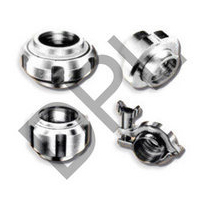
S.M.S Unions
Price Range 200.00 - 2000.00 INR / Piece
Minimum Order Quantity : 1000 Pieces
Product Type : Other, S.M.S Unions
Material : Stainless Steel
Grade : SS304, SS316
Tensile Strength : 520 MPa
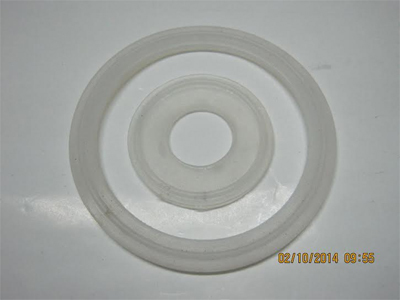
Triclover Gaskets
Price Range 200.00 - 2000.00 INR / Piece
Minimum Order Quantity : 1000 Pieces
Product Type : Other, Gasket
Material : Other, Silicone / EPDM / Viton / Nitrile
Grade : Food Grade
Tensile Strength : 12 MPa (Silicone)
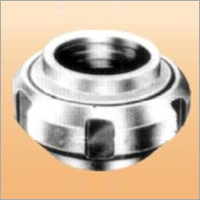
Sms Union
Minimum Order Quantity : 1000 Pieces
Material : Stainless Steel
Grade : 304/316L
Tensile Strength : 550 MPa
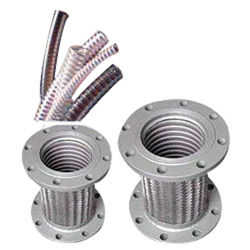
Triclover Hose Nozzle
Price Range 200.00 - 2000.00 INR / Piece
Minimum Order Quantity : 1000 Pieces
Product Type : Other, Hose Nozzle
Material : Stainless Steel
Grade : SS304 / SS316 / SS316L
Tensile Strength : 520 MPa

 Send Inquiry
Our Products
- Purified Water Generation systems
- Purified Water Distribution Systems
- Electropolished Tubes & Fittings
- Centrifugal Pumps / Lobe Pumps
- Cleaning Equipments
- Industrial Water Filters
- Industrial Valves
- Hoses and Bellows
- Stainless Steel Turned Components
- Tank Reactor
- Electropolished Sanitary Fittings
- Caster Wheels
- WATER TREATMENT SYSTEM SPARES
- Stainless Steel Industrial Valves
- Stainless Steel Fabrication
- Pumps Filters and Accessories
- Zero Dead Leg Valves
- Triclover Butterfly Valve
- Triclover Ball Valve
- Flow Diversion Valves
- Iris Valves
- Orbital Welding Machine
- Strainers
- Sanitary GMP Drain Traps
- Stainless Steel Storage Tanks
- Ultraviolet Systems
- Electropolishing Services
- Filters & Strainers
- Pneumatic Diaphragm Valves
- Victaulic Coupling


Unit No. 124, Raj Ratan Indl. Est., Opp. S.N.D.T. Girls College, B. J. Patel Road, Malad (W),Mumbai - 400064, Maharashtra, India

Mr. Jignesh V. Shah
(DIRECTOR)
Mobile :08037736502
 Send Inquiry
 Send SMS
Developed and Managed by Infocom Network Private Limited.
